





If you’ve been down the K-beauty rabbit hole trying to sort out uneven skin tone or dark spots, you’ve probably landed on two names: niacinamide and vitamin C. Both are proven pigmentation fighters. Both are everywhere. And both have an army of loyal fans who swear by them.
But they work in completely different ways — and depending on your skin type, lifestyle, and how patient you are, one is going to suit you a lot better than the other.
Here’s everything you need to know to choose the right one (and yes, we’ll also cover whether you can use both).
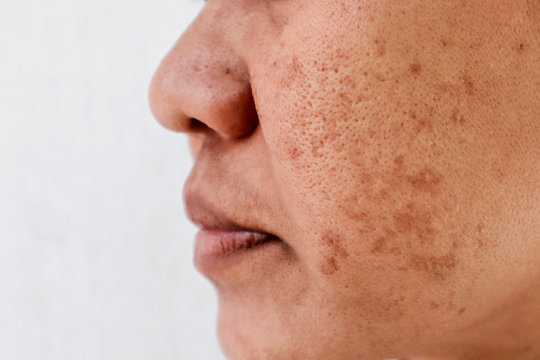
🫧Niacinamide: the gentle, reliable everyday option
Niacinamide is the ingredient that wins people over slowly. It’s not dramatic. It doesn’t tingle or make your skin peel. It just works — quietly and consistently, over weeks of use.
It works by blocking the transfer of melanin from the cells that produce it to the cells at your skin’s surface. Think of it as putting up roadblocks before pigment can reach the top layer of skin. It doesn’t stop melanin being made — it stops it from showing up as dark spots.
Why sensitive and dry skin types often prefer it:
-
Gentle enough to use morning and evening without irritation
-
Strengthens the skin barrier at the same time — so it’s doing two jobs at once
-
Reduces the inflammation that often triggers pigmentation in the first place — especially useful for post-acne marks
-
Plays nicely with most other actives, so it’s easy to layer into an existing routine
-
Works across all skin types, including oily and combination — regulates sebum as a bonus
What to look for on the label: ‘Niacinamide’. The sweet spot is 5–10% — higher concentrations are available for more advanced users, but always introduce slowly.
SUL picks for niacinamide
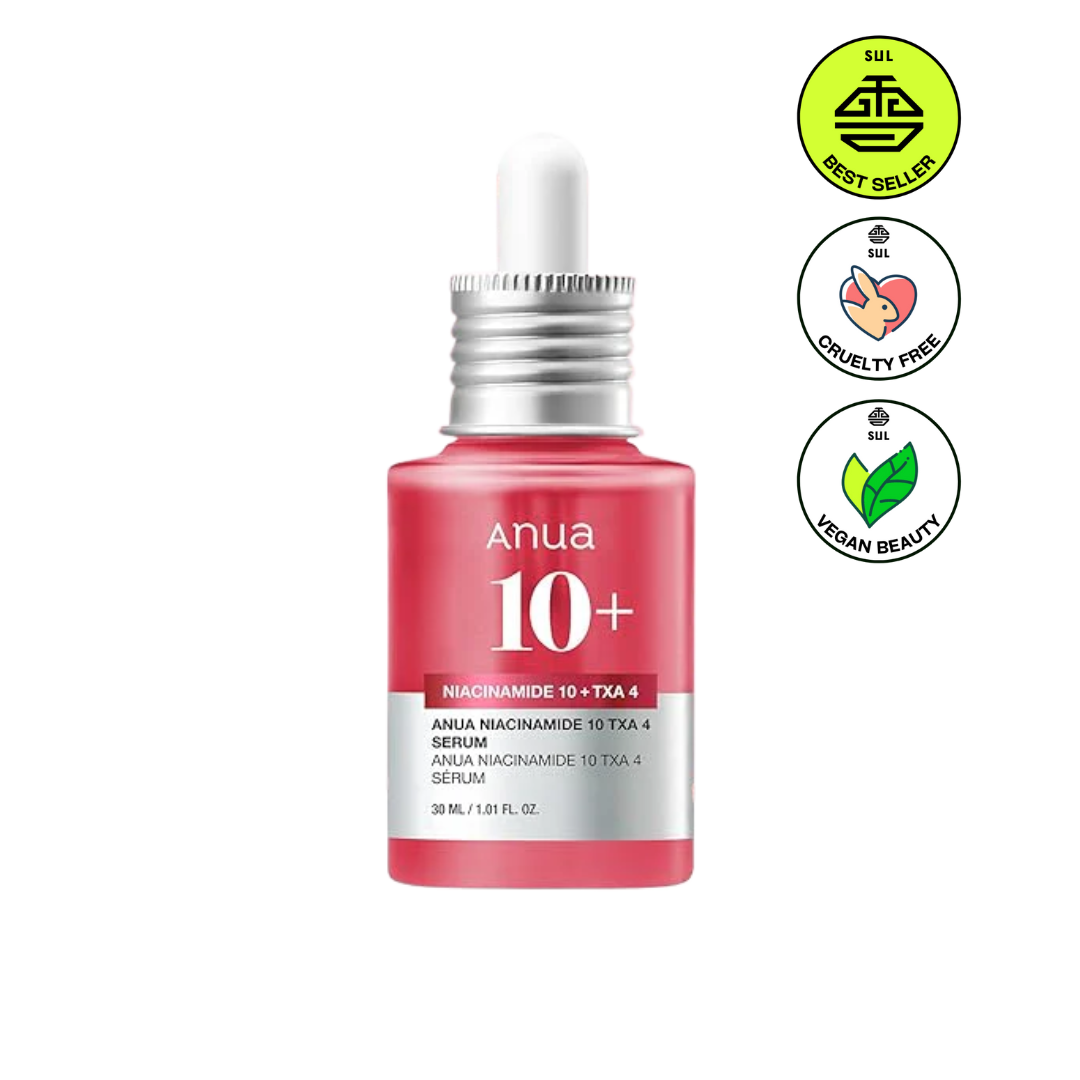
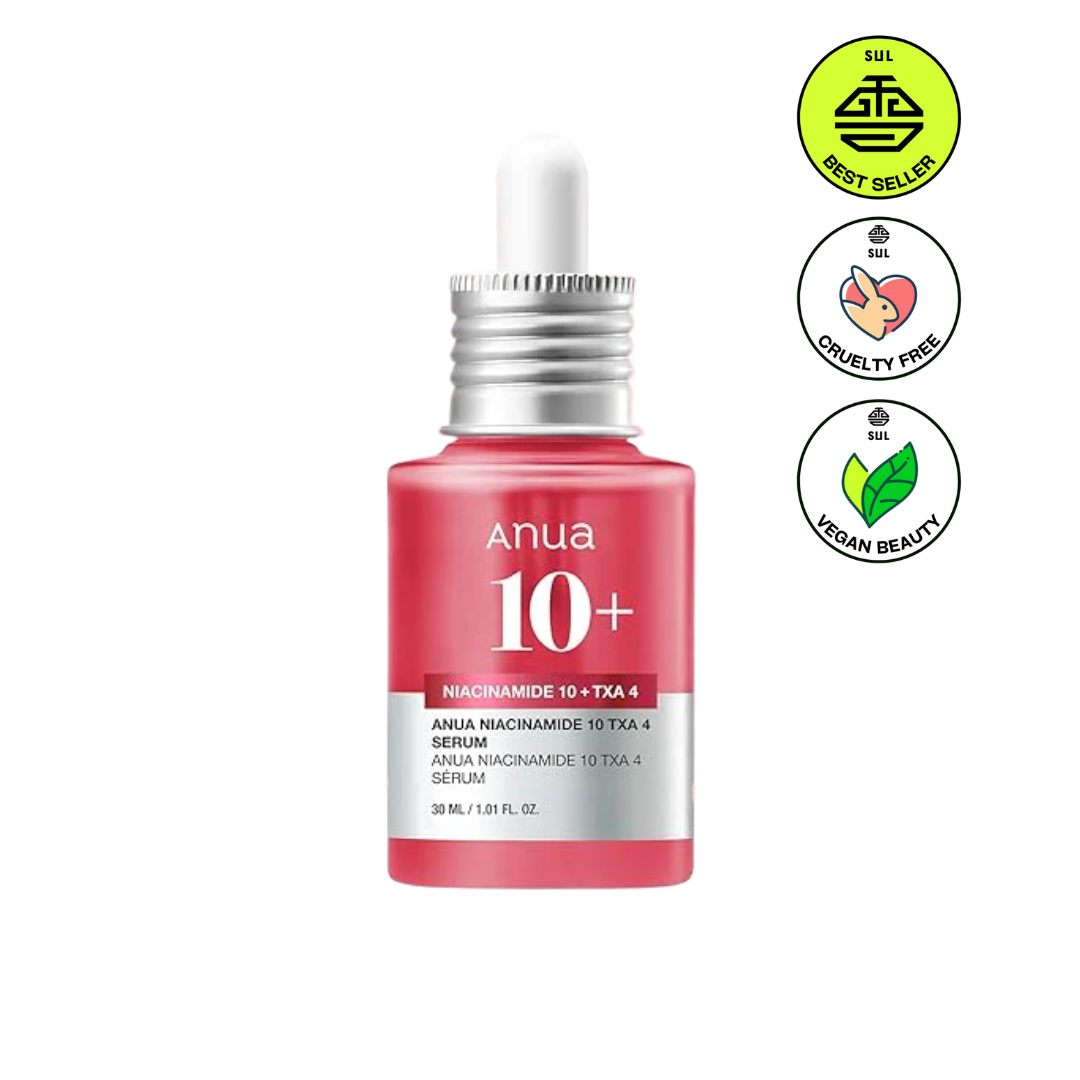
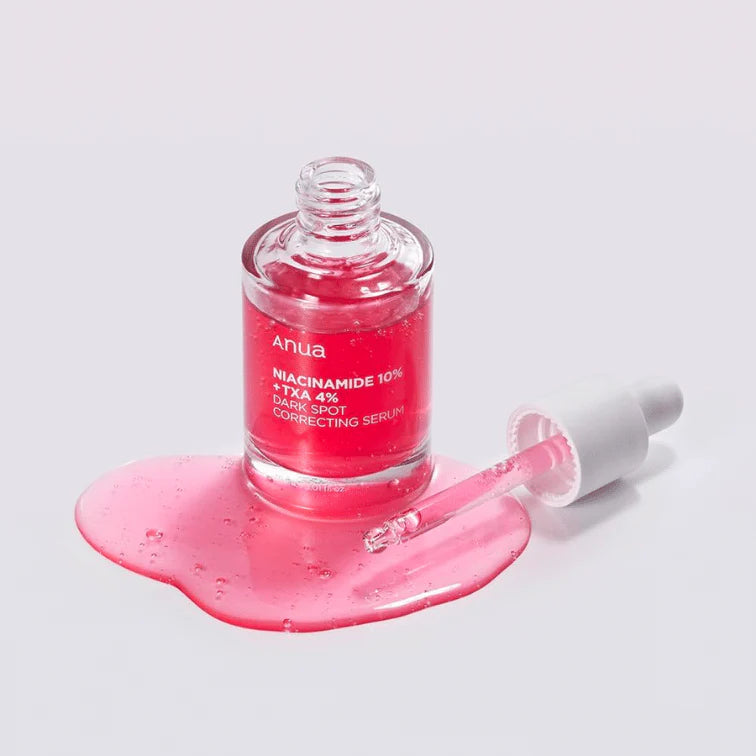
→ Anua Niacinamide 10% + TXA 4% Dark Spot Correcting Serum 30ml — 10% niacinamide + 4% tranexamic acid + 2% arbutin. A viral triple-action brightening serum for dark spots and uneven tone.
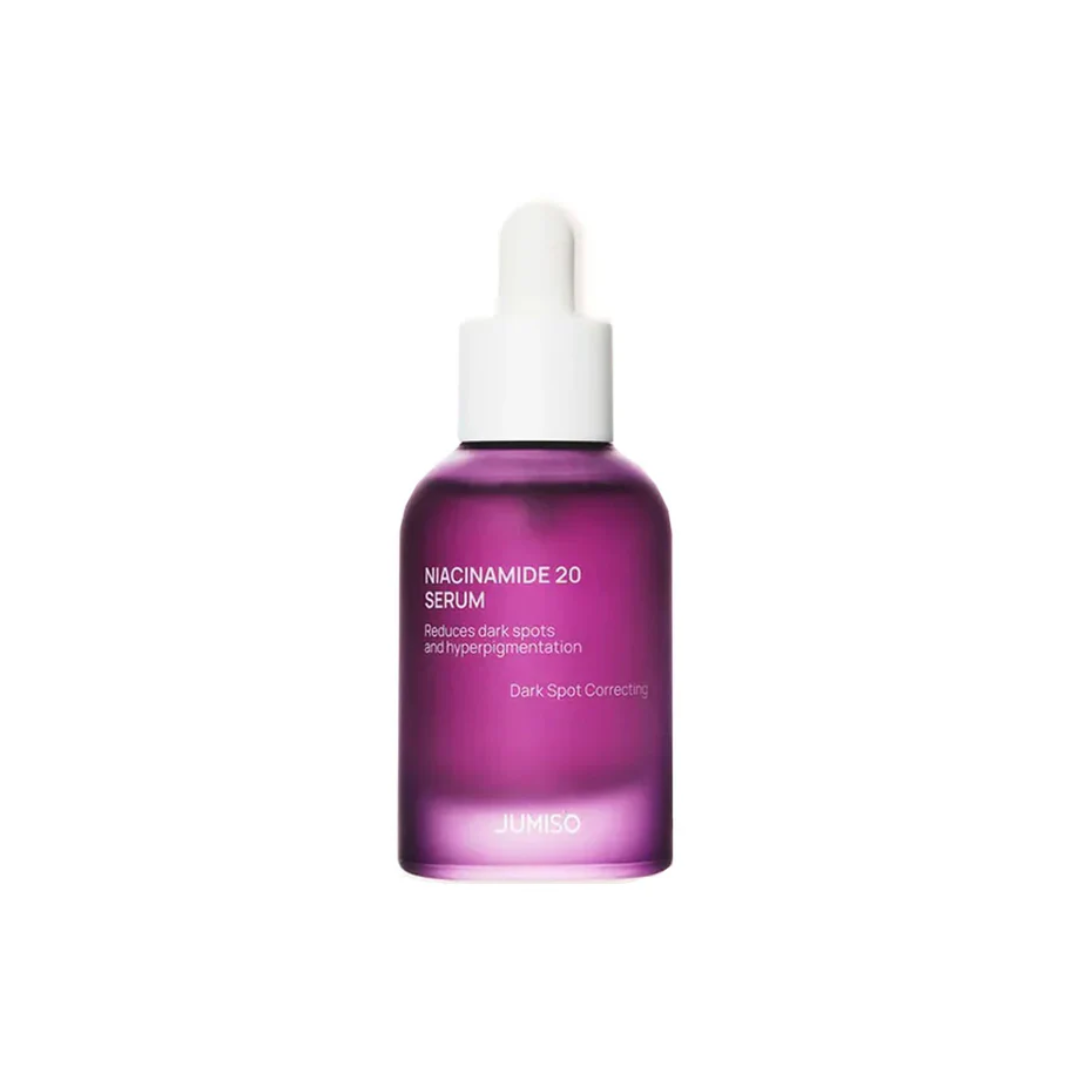
→ JUMISO Niacinamide 20 Serum 40ml — 20% niacinamide + TXA + glutathione + centella. For experienced users who want a higher-strength pore-refining and brightening formula.
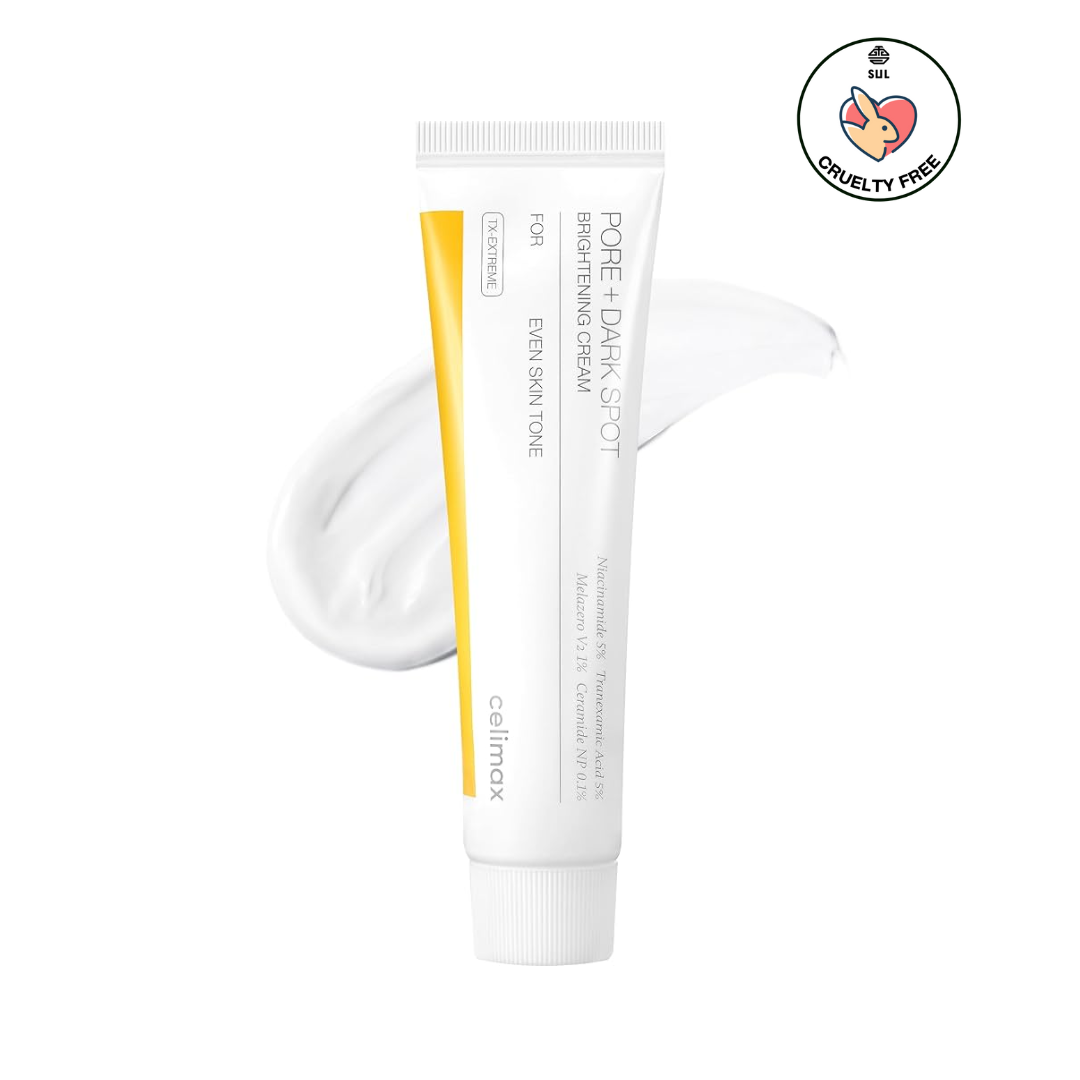
→ Celimax Pore + Dark Spot Brightening Cream 35ml — 5% niacinamide + 5% TXA + ceramides. A triple-action brightening moisturiser that does the work of a serum and a cream in one step.
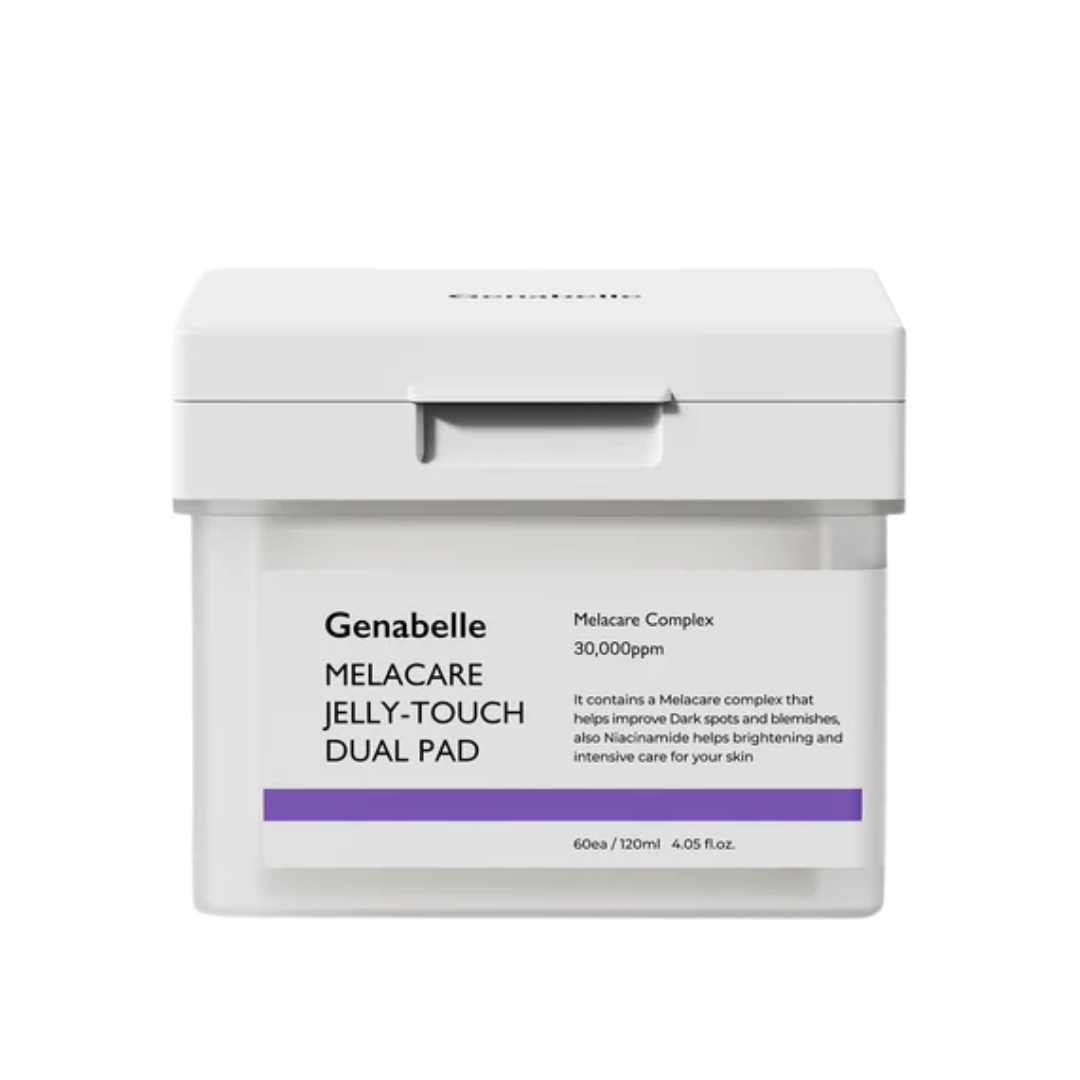
→ Genabelle Melacare Touch Dual Pad — a targeted brightening pad with niacinamide + tranexamic acid for on-the-go dark spot care. Verify product URL before publishing.
🍊Vitamin C: the fast-acting brightener for resilient skin
Vitamin C takes a more direct approach. Instead of blocking melanin delivery, it shuts down production at the source by inhibiting tyrosinase — the enzyme your skin uses to make melanin in the first place. Less melanin made = fewer dark spots forming.
The trade-off is that vitamin C is a more demanding ingredient. It’s unstable, can oxidise quickly if packaging isn’t right, and can cause irritation if you introduce it too fast. But when it works, it works quickly — most people notice brighter skin within 1–2 weeks.
Why resilient or sun-damaged skin types often prefer it:
-
Faster brightening results — typically visible within 1–2 weeks
-
Provides antioxidant protection against UV damage — essential in Australia where the UV index regularly hits 12+
-
Stimulates collagen production as a bonus, which makes it especially good for mature skin
-
Effective at treating deeper, older pigmentation that niacinamide alone can’t always shift
What to look for on the label: ‘L-Ascorbic Acid’ (pure vitamin C), ‘Ascorbic Acid’, or ‘3-O-Ethyl Ascorbic Acid’ (a more stable derivative). Look for concentrations of 10–23%.
Packaging matters: vitamin C oxidises when exposed to light and air. Look for airless pumps, opaque tubes, or dark glass — clear dropper bottles are a red flag for stability.
SUL picks for vitamin C
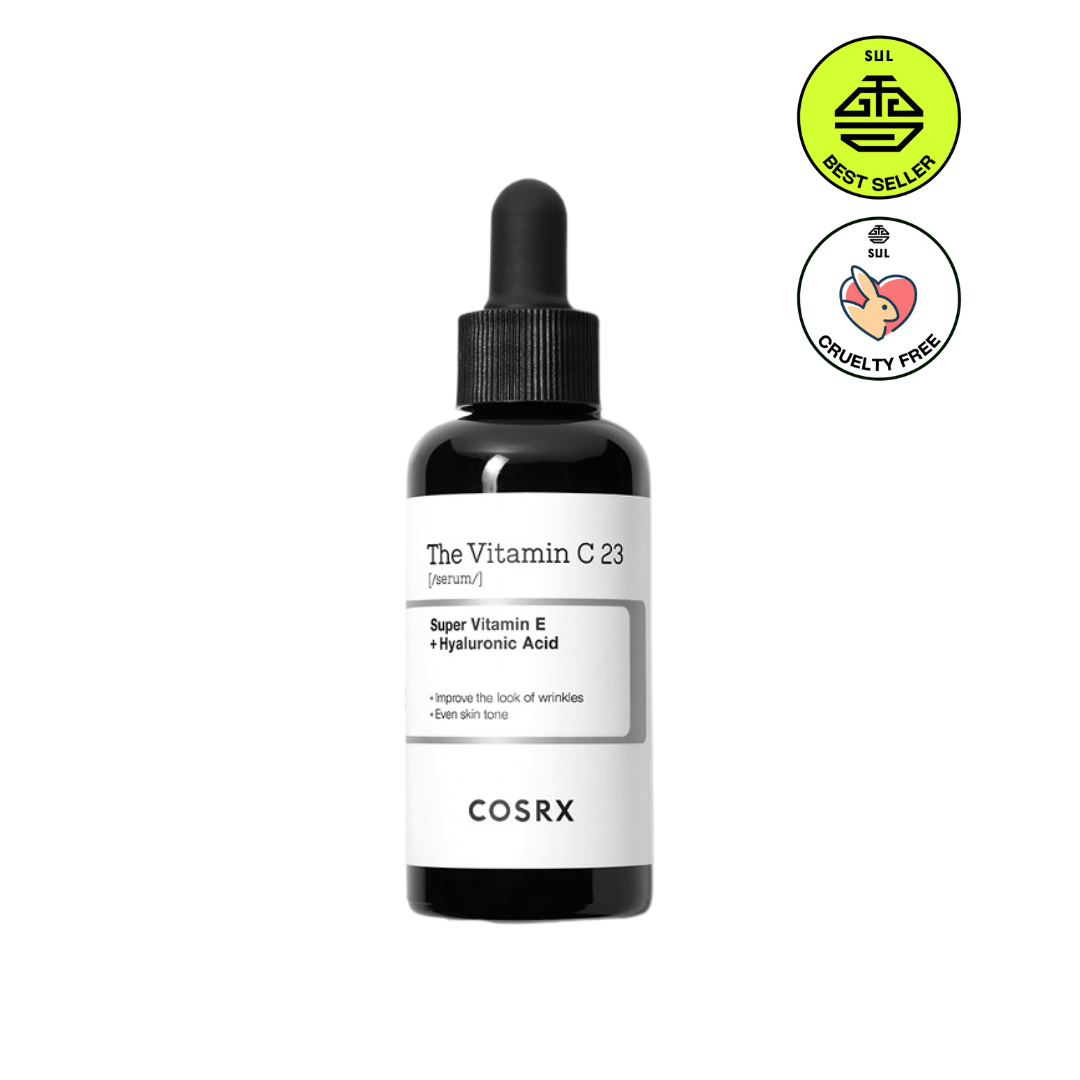
→ COSRX Advanced The Vitamin C 23 Serum 20ml — 23% pure vitamin C + vitamin E (tocotrienol) + glutathione. A high-strength formula for experienced users targeting stubborn dark spots and dullness.
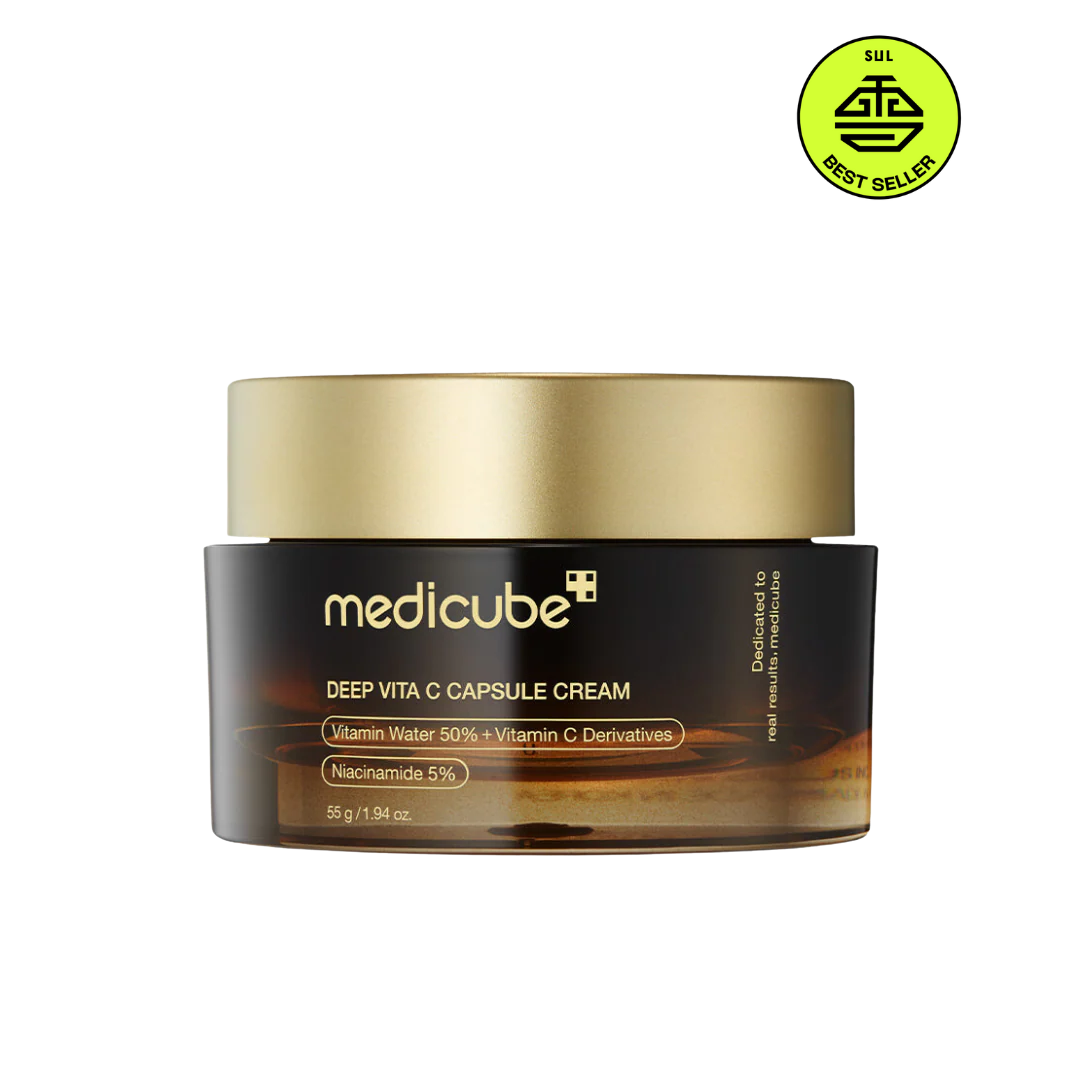
→ Medicube Deep Vita C Capsule Cream 55g — the viral ‘boba cream’. Encapsulated vitamin C stays stable until it bursts on contact with skin — 50% sea buckthorn extract + 5% niacinamide. Brilliant if you want vitamin C in your moisturiser step.
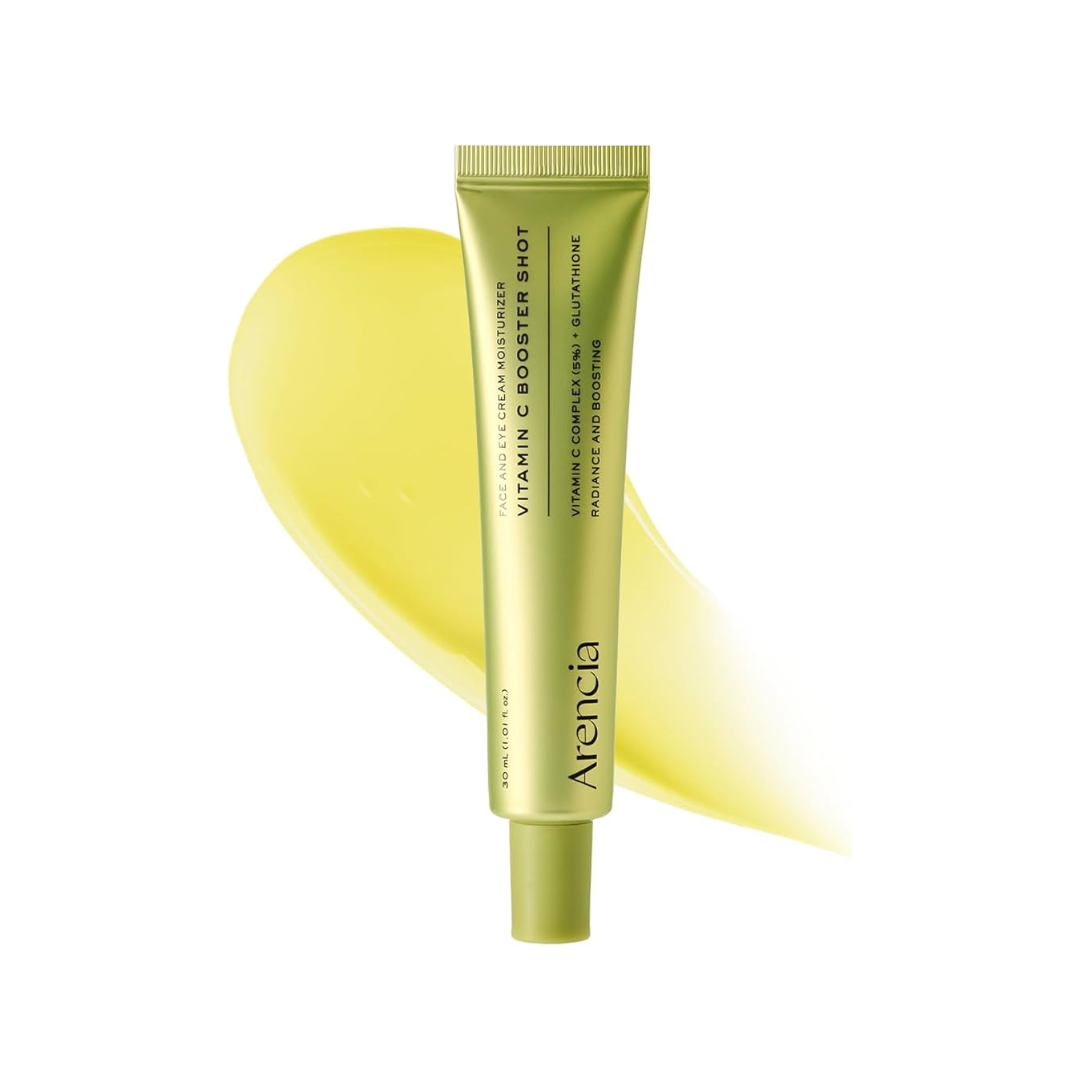
→ Arencia Vitamin C Booster Shot Serum 30ml — vitamin C + glutathione + niacinamide + vitamin E. A concentrated brightening shot designed to visibly improve dark spots and glass skin radiance.
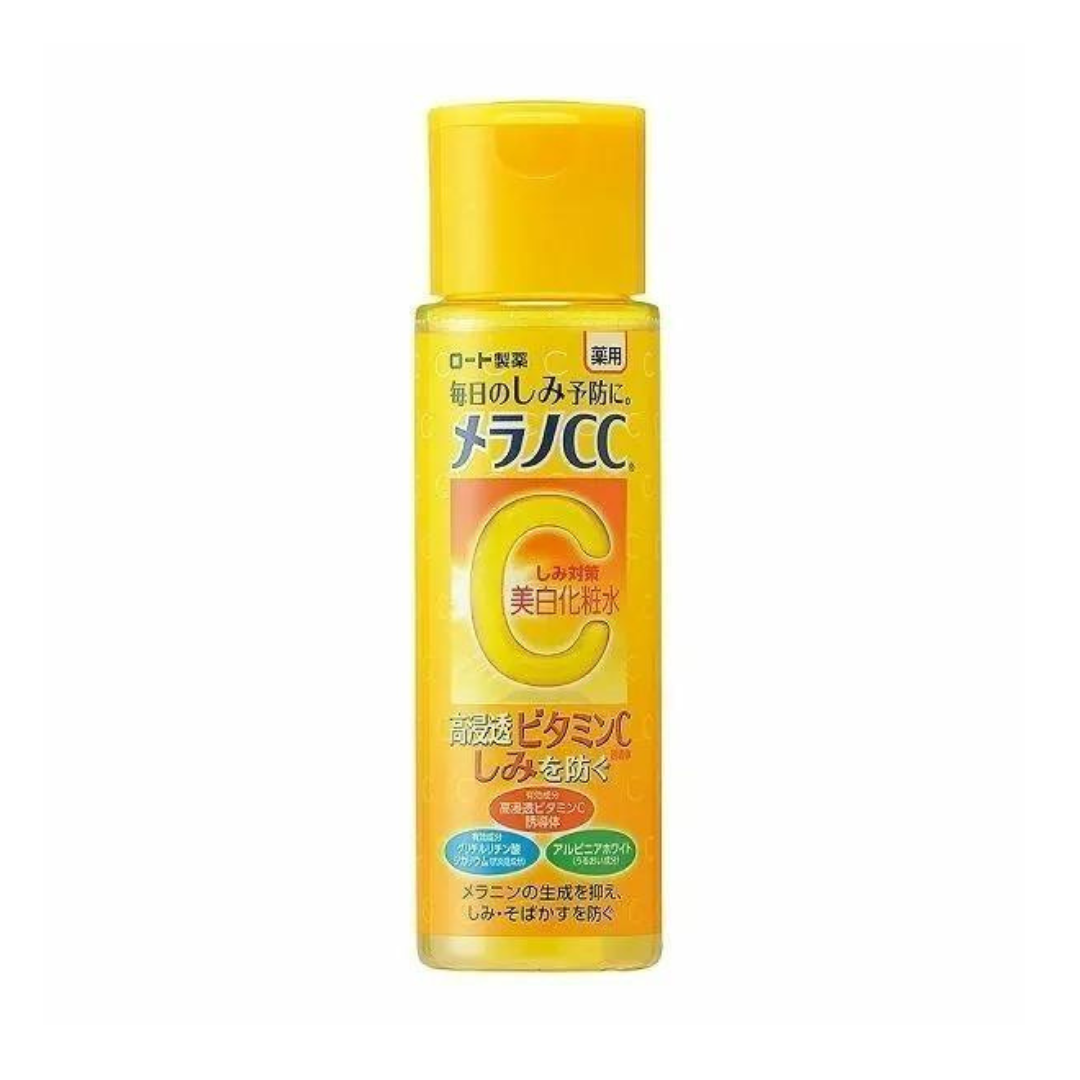
→ Melano CC Vitamin C Lotion (Light) 170ml — pure ascorbic acid in a gentle everyday lotion format. Confirmed stocked on SUL — a great entry-level vitamin C option for those who find serums too intense.
🤔Niacinamide vs vitamin C: which one suits you?
The answer depends on your skin, not on which ingredient is objectively ‘better’. Here’s a quick guide:
Choose niacinamide if you…
-
Have sensitive or reactive skin that doesn’t tolerate stronger actives
-
Are dealing with post-acne marks you want to fade gently over time
-
Have oily or combination skin — niacinamide also regulates sebum as a bonus
-
Want something low-maintenance that’s easy to layer and forgiving of missed steps
Choose vitamin C if you…
-
Have resilient skin that handles actives well
-
Have sun damage or older, deeper pigmentation you want to shift faster
-
Have mature skin that would benefit from collagen-boosting as a side effect
-
Already have a consistent morning SPF habit you can slot it into

Niacinamide (left) and Vitamin C (right)
Can you use both? Yes — here’s how
There’s an old myth that niacinamide and vitamin C cancel each other out. That’s been largely debunked — but it is still worth using them at different times of day to get the most out of each.
The routine that works:
-
Morning: vitamin C serum → SPF. The antioxidant protection is active right when UV exposure starts.
-
Evening: niacinamide serum → moisturiser. Gentle overnight repair while your skin is in recovery mode.
If you’re new to actives, pick one and commit to it for 8–12 weeks before adding the other. Your skin needs time to show results, and introducing too many new things at once makes it impossible to know what’s actually working.
🔎Application tips worth knowing
For niacinamide:
-
Apply to clean, slightly damp skin for best absorption
-
Fine to use morning and evening once your skin is used to it
-
Layer before heavier serums and moisturiser — no waiting time needed
-
Can be mixed with most other serums without issue
For vitamin C:
-
Apply to completely dry skin — moisture can affect stability and absorption
-
Start with every second day and build to daily use over 2–3 weeks
-
Use in the morning so the antioxidant protection is active during the day
-
Wait 10–15 minutes before applying other products, especially if using L-ascorbic acid
For both: SPF every single day. No active ingredient for pigmentation works well without daily sun protection. In Australia especially, skipping SPF undoes everything.
🕒How long until you see results?
Pigmentation didn’t appear overnight, and it won’t disappear overnight either. Here’s a realistic timeline:
Niacinamide:
-
Weeks 2–4: reduced inflammation, fewer new breakouts forming
-
Weeks 6–8: noticeable evening of overall skin tone
-
Weeks 12+: meaningful fading of existing dark marks
Vitamin C:
-
Weeks 1–2: increased overall brightness and glow
-
Weeks 4–6: visible fading of recent or surface-level pigmentation
-
Weeks 8–12: improvement in deeper or older marks
Remembder, consistency always wins. Using a gentler product every day gets better results than using a stronger one sporadically.
FAQ
Which is better for sensitive skin — niacinamide or vitamin C?
Niacinamide, without question. It strengthens your barrier while treating pigmentation, and rarely causes irritation. Vitamin C (especially L-ascorbic acid) can be too strong for reactive skin, at least initially.
Can I use niacinamide and vitamin C in the same routine?
Yes — just use them at different times. Vitamin C in the morning for antioxidant protection, niacinamide in the evening for gentle repair. If you do layer them in the same routine, apply vitamin C first, wait 10–15 minutes, then follow with niacinamide.
What percentage should I look for?
For niacinamide: 5% is the classic sweet spot, though 10–20% formulas are available for experienced users. For vitamin C: start at 10–15% if you’re new to it. Sensitive skin does better with stable derivatives like 3-O-Ethyl Ascorbic Acid over pure L-ascorbic acid.
Which works faster on acne scars?
Vitamin C typically shows faster results on post-inflammatory hyperpigmentation, with some brightening within 2–4 weeks. But niacinamide prevents new breakouts forming while it fades existing marks — which makes it the smarter long-term choice for ongoing acne-prone skin.
Ready to find your match?
Browse our full range of brightening and pigmentation products at sulskin.com — and as always, if you’re stuck choosing, reach out and we’ll point you in the right direction.
Leave a comment